
The Complete Guide to Kitchen Remodeling in Southwest Florida
- ✓A kitchen remodel in Southwest Florida costs $15,000 to $150,000+ depending on scope
- ✓Permits are required for plumbing, electrical, and structural work in Collier and Lee County
- ✓Best materials: engineered quartz countertops, porcelain tile or LVP flooring, plywood-box cabinetry
- ✓A licensed general contractor (Florida CGC license) is required for permitted work
- ✓Timeline runs 2 to 20 weeks depending on scope and cabinet lead times
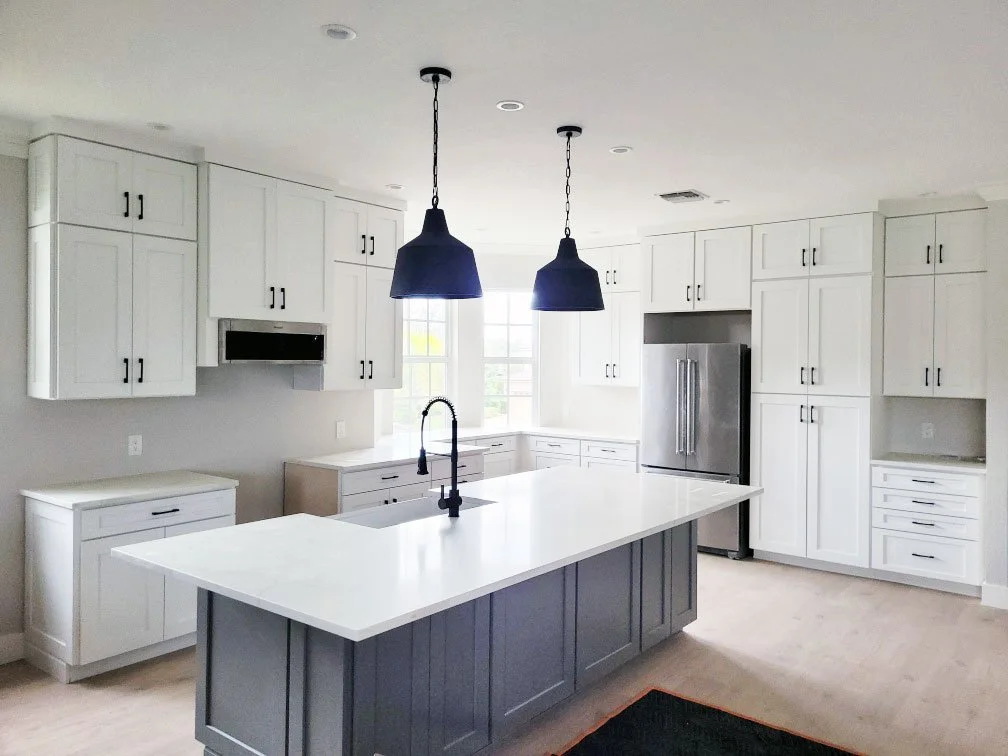
A kitchen remodel in Southwest Florida is one of the highest-return investments a homeowner can make here. The coastal climate, the permitting process in Collier and Lee County, and the buyer expectations in markets like Naples, Marco Island, and Fort Myers all shape what a successful renovation looks like.
This guide covers every stage: planning, budgeting, material selection, permits, contractor selection, and project timeline. It applies to homeowners in Naples, Marco Island, Fort Myers, Cape Coral, Bonita Springs, and Fort Myers Beach.
What Does a Kitchen Remodel Include?
Scope varies by project. At the cosmetic end, a remodel involves new cabinet doors, countertops, hardware, and paint. A full gut renovation involves a new layout, relocated plumbing and electrical, custom cabinetry, flooring, and all-new appliances.
Most Southwest Florida kitchen remodeling projects include:
Cabinet replacement or refacing
Countertop replacement (engineered quartz, granite, or porcelain slab)
Backsplash installation (tile or large-format stone)
Flooring replacement (porcelain tile or luxury vinyl plank)
Lighting upgrades (recessed, under-cabinet, pendant)
Appliance replacement
Plumbing fixture replacement (sink and faucet)
Electrical upgrades (additional circuits for modern appliance loads)
Layout changes, such as removing a wall to open the kitchen to the living area or adding an island with plumbing, require permits and add cost.
How Much Does a Kitchen Remodel Cost in Southwest Florida?
| Scope | Typical Cost Range | What's Included |
|---|---|---|
| Cosmetic / Mid-Range Refresh | $15,000 to $35,000 | Countertops, cabinet refacing, backsplash, lighting, fixtures. No structural work. |
| Mid-Range Full Renovation | $35,000 to $75,000 | Custom cabinetry, countertops, flooring, lighting, appliances, minor layout adjustments. |
| High-End / Full Gut | $75,000 to $150,000+ | Full layout redesign, custom cabinetry, premium stone, full plumbing and electrical rework, high-end appliances. |
What drives cost up:
Custom cabinetry (vs. semi-custom or stock)
Natural stone countertops (vs. engineered quartz)
Layout changes requiring permits, structural work, or plumbing relocation
High-end appliance packages
Large square footage
What keeps cost manageable:
Keeping the existing layout (no moving plumbing or electrical)
Cabinet refacing rather than full replacement
Engineered quartz countertops: durable, consistent, lower cost than slab stone
Porcelain tile or LVP flooring: both excellent in this climate
What Materials Hold Up in Southwest Florida's Coastal Climate?
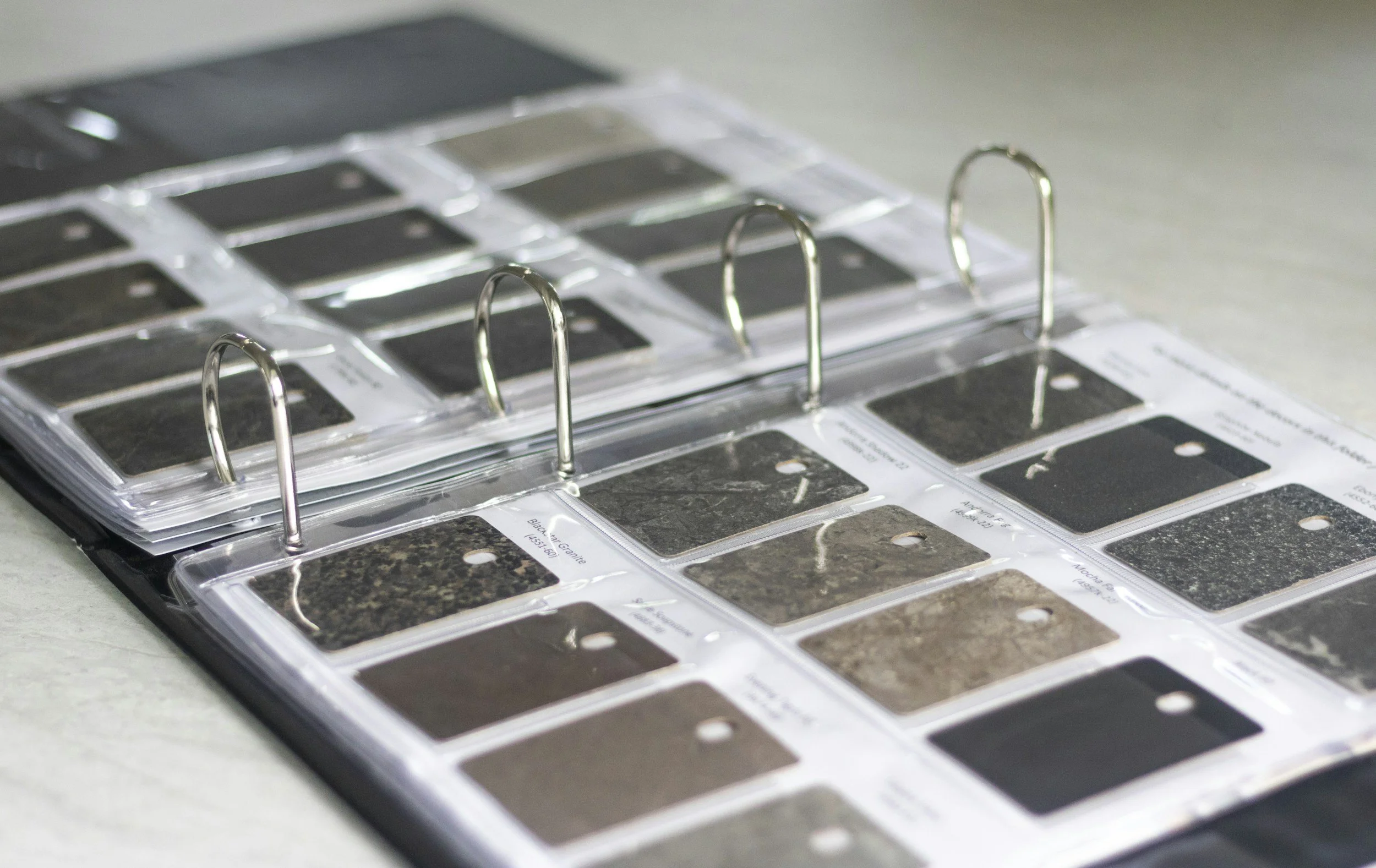
The Southwest Florida climate is specific. High humidity, salt air, and strong UV exposure through large windows affect material performance over time. These are the choices that hold up.
Countertops: What to Select and What to Avoid
Engineered quartz is the top performer: non-porous, humidity-resistant, requires no sealing, and holds color consistently. Brands like Silestone, Cambria, and MSI are widely available locally.
Granite performs well but requires sealing every one to two years to prevent staining and moisture penetration.
Porcelain slab is the hardest option, fully non-porous, and replicates the look of marble without the maintenance. A strong choice for high-use coastal kitchens.
Avoid butcher block and wood countertops. Humidity and water proximity make them difficult to maintain in this climate.
Cabinetry and Hardware
Plywood-box cabinetry is the standard for coastal durability. Particleboard absorbs moisture in humid climates and will swell, warp, and delaminate over time.
For hardware: brushed nickel, matte black, and stainless finishes resist corrosion well. Polished chrome and nickel show water spots and require more maintenance.
Flooring: A Side-by-Side Comparison
| Material | Performance in SWFL | Notes |
|---|---|---|
| Porcelain tile | Excellent | Waterproof, durable, cool underfoot. Large-format (24x24 or 24x48) is current standard. |
| Luxury vinyl plank (LVP) | Excellent | Fully waterproof, softer underfoot, warmer appearance. Requires 20-mil wear layer minimum. |
| Engineered hardwood | Moderate | More stable than solid wood but still vulnerable in wet kitchen environments. |
| Solid hardwood | Poor | Expands and contracts with humidity. Not recommended for SWFL kitchens. |
Appliances for Coastal Kitchens
Stainless steel is the dominant finish. For kitchens with direct coastal exposure, look for appliances with coastal-rated or marine-grade finishes that resist salt corrosion beyond standard stainless specifications.
Do You Need a Permit for a Kitchen Remodel in Southwest Florida?
Permit requirements in Collier and Lee County depend on scope.
No permit required:
Cosmetic work: cabinet refacing, countertops, backsplash, paint
Lighting fixture replacement on existing circuits
Appliance swaps (no new electrical circuits)
Permit required:
New electrical circuits or panel upgrades
Any plumbing relocation
Structural wall removal
Island installation with plumbing
Range hood requiring new ductwork
A licensed general contractor pulls permits on your behalf, coordinates required inspections, and confirms all work meets current Florida Building Code. Unpermitted work creates insurance liability and surfaces during resale: buyers' inspectors flag it, and lenders can refuse to close on properties with open permit issues.
What Happens When You Remove a Wall for an Open Kitchen?
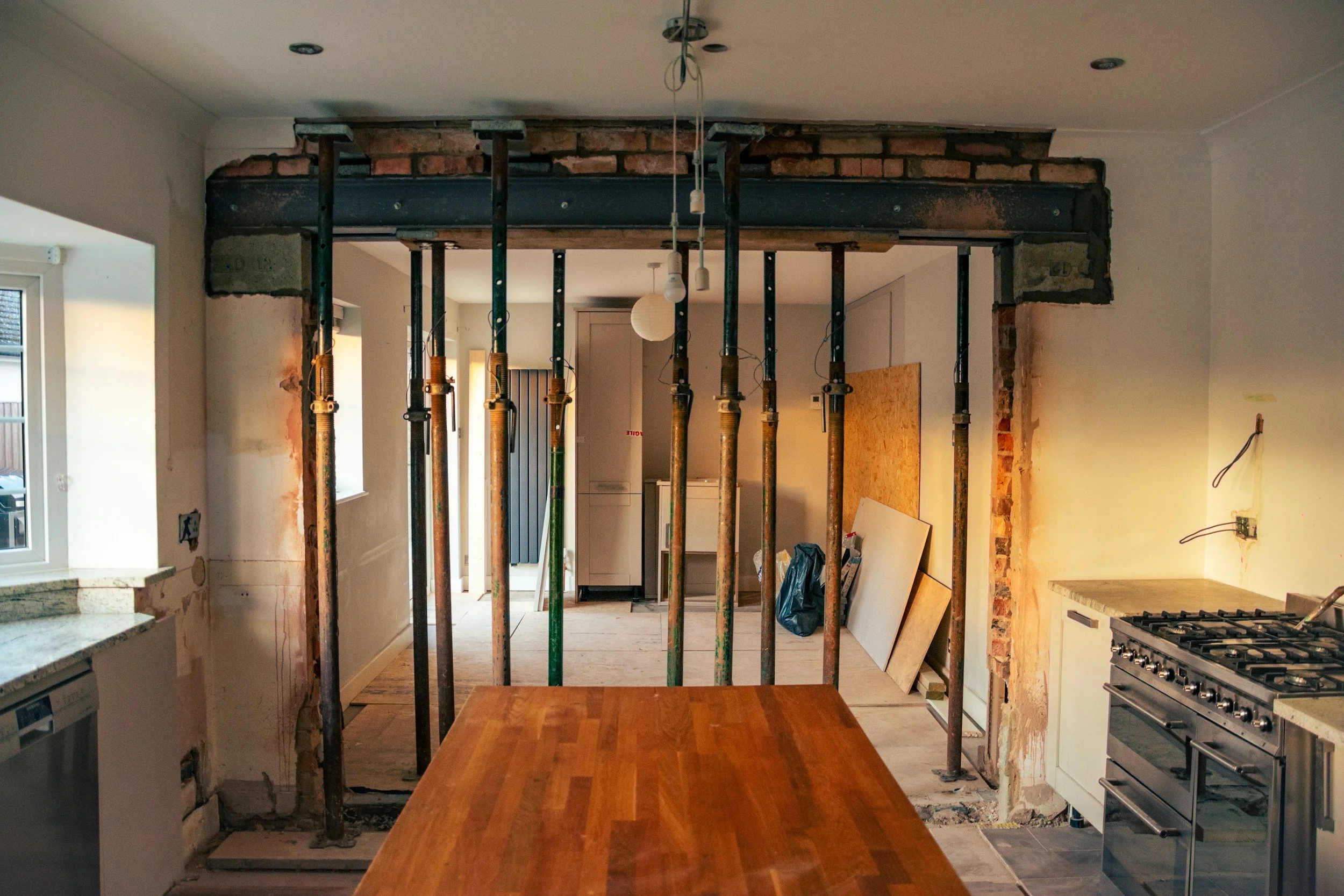
Removing a wall between the kitchen and living or dining area is one of the most requested changes in Southwest Florida remodels. The process:
Structural assessment: Determine if the wall is load-bearing. A load-bearing wall requires an engineered beam and columns. A non-load-bearing wall does not.
Permit: Any structural wall removal requires a permit through the county building department.
Trades work: Any plumbing, HVAC, or electrical inside the wall requires licensed trades work before the wall comes down.
Finishing: Patch ceiling and floor, blend flooring at the opening, and match existing finishes.
Cost range:
Non-load-bearing wall removal: $3,000 to $8,000
Load-bearing wall removal with engineered beam and permit: $8,000 to $20,000
These figures are standalone costs, in addition to the kitchen renovation itself.
How Long Does a Kitchen Remodel Take in Southwest Florida?
| Scope | Typical Timeline | Primary Driver |
|---|---|---|
| Cosmetic refresh | 2 to 4 weeks | Work runs consecutively, not simultaneously |
| Mid-range full renovation | 6 to 12 weeks | Cabinet lead time (4–8 weeks semi-custom; 10–16 weeks custom) |
| Full gut with layout change | 10 to 20 weeks | Permit approval, structural work, trade inspections at each rough-in phase |
Planning for disruption:
Set up a temporary kitchen station before demolition starts: microwave, coffee maker, mini fridge, and clear counter space in the dining area or garage. Expect 2 to 4 weeks without a functional kitchen in a mid-range project.
Your contractor should deliver a phased schedule before work begins so you know which weeks will have the most impact on daily life.
What Does a Licensed General Contractor Do on a Kitchen Remodel?

A kitchen remodel is a multi-trade project. A mid-range renovation typically involves a general contractor, a cabinetry installer, a countertop fabricator, an electrician, a tile setter, and sometimes a plumber.
A licensed general contractor manages:
Pulling permits and scheduling inspections
Coordinating the trade schedule so each phase starts when the prior phase is complete
Sourcing and managing subcontractors
Handling problems when they arise
Standing behind the work with a workmanship warranty
Hiring a handyman or unlicensed contractor to run a kitchen remodel transfers all coordination risk to the homeowner. The homeowner is also personally liable for any unpermitted work and for workers' compensation claims if an uninsured subcontractor is injured on the property.
About Waterline Remodeling
Waterline Remodeling is the dedicated remodeling division of Mr. Handyman serving Naples, Marco Island, and Immokalee. Owner Mark Cipollina holds Florida General Contractor License CGC1513681 and has been a licensed contractor in Collier County since 2011. Waterline manages kitchen remodeling projects throughout Collier and Lee County, from initial consultation through final walkthrough. Every project is permitted, insured, and backed by a 100% workmanship guarantee.
Does Kitchen Remodeling Increase Home Value in Southwest Florida?
The national average return on a kitchen remodel runs 60% to 80% of project cost. In the Naples and Marco Island residential markets, well-executed kitchen remodels tend to perform at the higher end of that range because buyer expectations for finishes are high relative to most Florida markets.
Highest-ROI kitchen updates:
Countertop replacement: The most visible upgrade. Quartz or granite countertops photograph and show well.
Cabinet replacement or refacing: Updated cabinets transform kitchen appearance more than any other single element.
Lighting redesign: Recessed lighting, under-cabinet lighting, and a statement pendant over the island deliver strong visual impact for relatively low cost.
Appliance refresh: New stainless appliances signal a maintained kitchen to buyers.
A mid-range kitchen remodel in the $40,000 to $60,000 range in the Naples area typically adds $30,000 to $50,000 in appraised value and reduces days on market.
Common Kitchen Remodeling Mistakes in Southwest Florida
Selecting materials without accounting for the climate. Hardwood floors, unsealed marble countertops, and non-corrosion-resistant hardware create ongoing maintenance problems in a coastal Florida environment.
Skipping permits on electrical or plumbing work. The short-term cost savings are not worth the resale and insurance liability.
Ordering cabinetry before finalizing the design. Cabinet orders are non-refundable. Lock down the layout, appliance specs, and countertop selections before placing the cabinet order.
Hiring the lowest bid without checking licensure. Florida's CGC license requires passing a state exam, maintaining insurance, and meeting continuing education requirements. A low bid from an unlicensed contractor is not an equivalent product to a licensed bid.
Not planning for disruption. Set up a temporary station before demolition starts. Plan around the most disruptive weeks. A contractor should give you that schedule before work begins.
How to Start a Kitchen Remodel in Southwest Florida
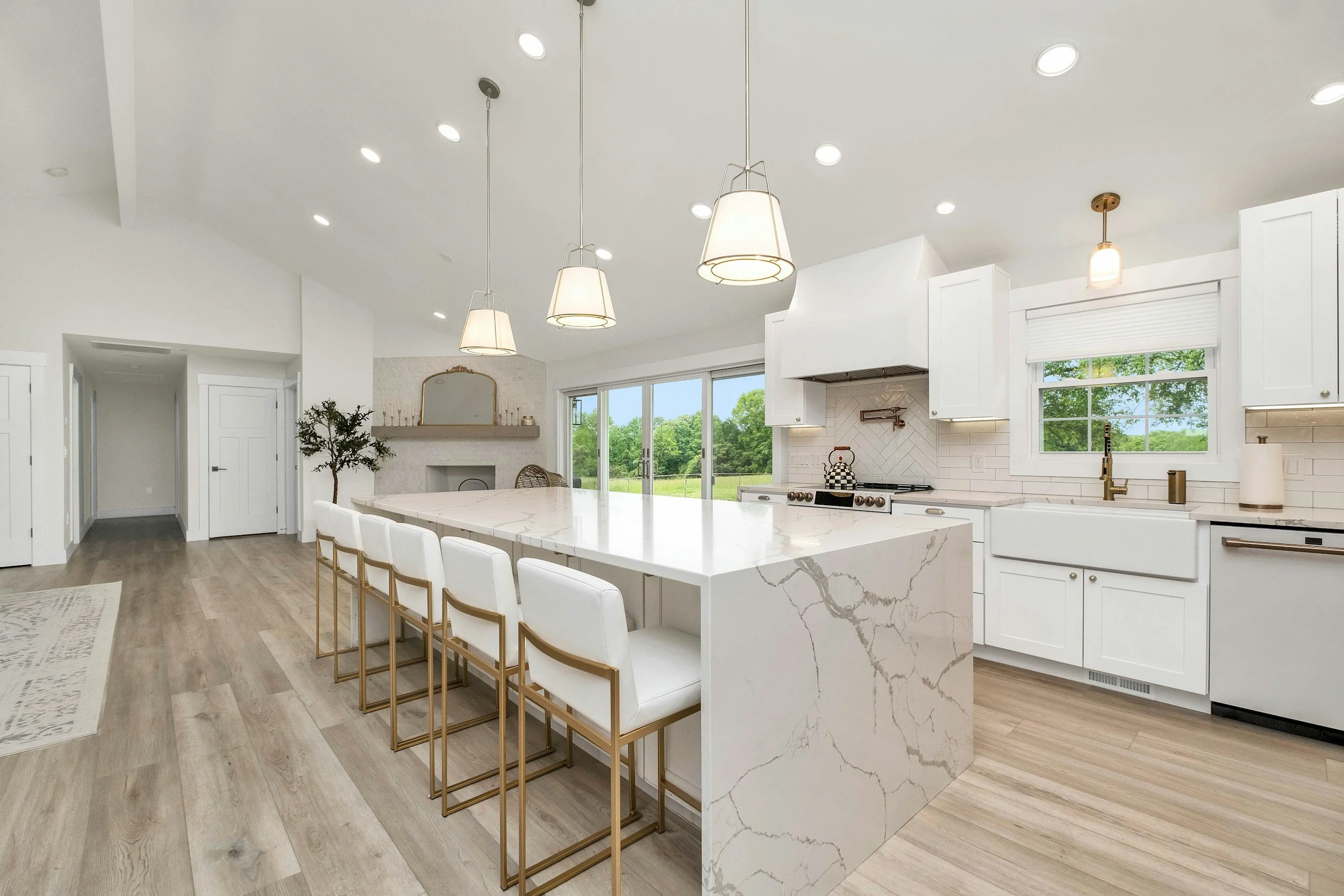
A kitchen remodel in Southwest Florida starts with a consultation, not a quote. The scope, materials, and design need to be established before pricing is meaningful.
The consultation is where decisions get made: layout, cabinet style, countertop material, appliance plan, and permit requirements. The quote follows from those decisions.
Waterline Remodeling serves Naples, Marco Island, Fort Myers, Cape Coral, Bonita Springs, and Fort Myers Beach. Call (239) 236-4004 or email mark@waterlineremodeling.com to schedule a free consultation.
Related services: